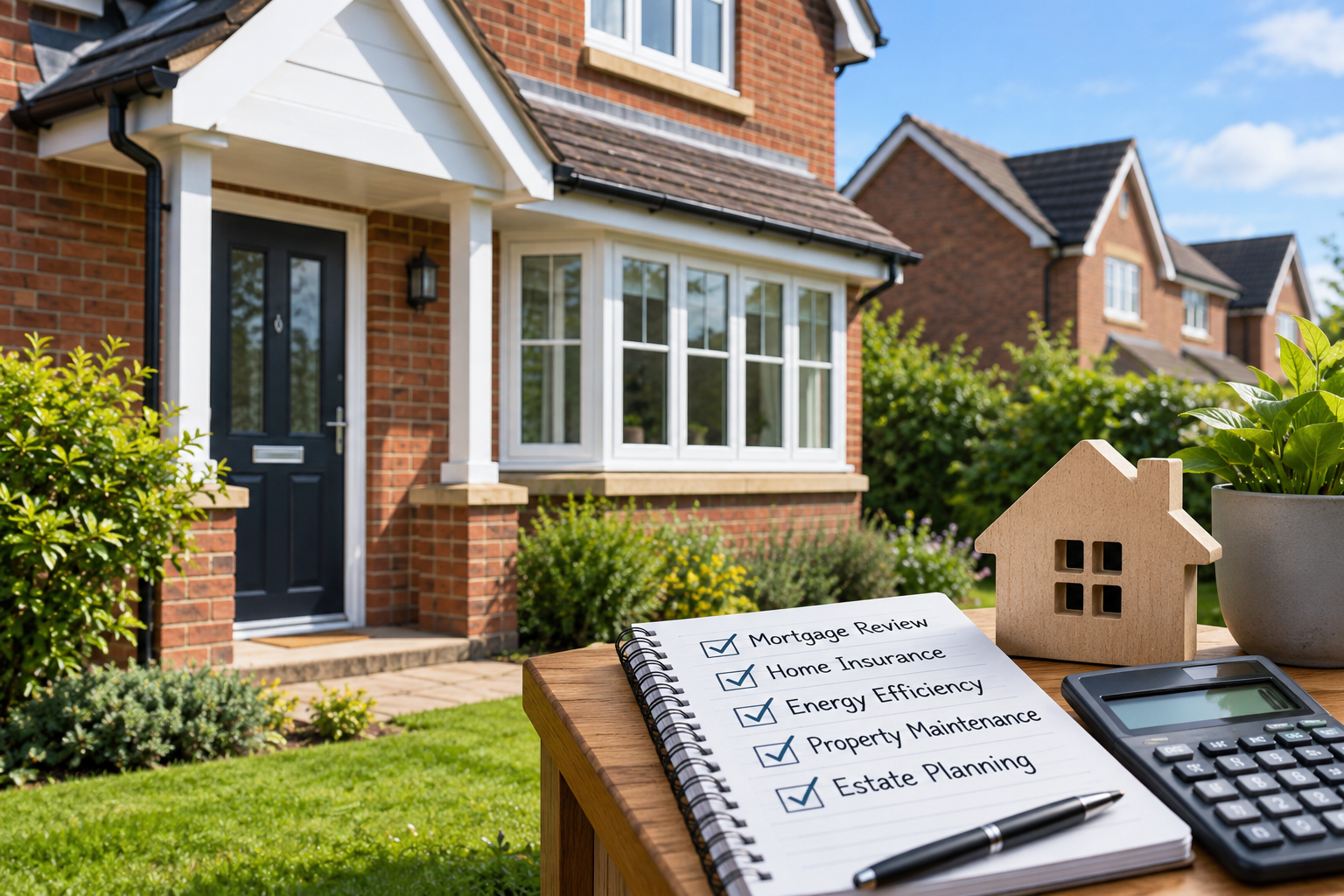
Homeowner Essentials: Protecting Your Property and Managing Your Finances
Owning a home is a significant financial commitment, with responsibilities extending well beyond monthly mortgage payments. From maintaining your property to reviewing insurance and planning for future expenses, taking a proactive approach can help protect your investment and manage household costs.
Understanding the products and services available to homeowners can make it easier to prepare for unexpected events and make informed decisions.
1. Protecting Your Home Against Unexpected Costs
Unexpected repairs can place considerable pressure on household finances, particularly when essential systems fail.
Home emergency cover may provide assistance with urgent problems involving plumbing, heating, electrical systems or property security, depending on the policy.
Buildings and contents insurance are also worth reviewing regularly. Buildings insurance generally protects the property’s structure, while contents insurance covers belongings against specified risks.
Homeowners should check policy exclusions, excesses and coverage limits to understand what protection is provided.
2. Reviewing Your Mortgage and Borrowing Options
Mortgage arrangements can have a significant impact on long-term household expenditure.
Homeowners approaching the end of a fixed rate may benefit from exploring remortgaging options or discussing a product transfer with their existing lender.
Some homeowners also consider additional borrowing to fund renovations, extensions or other substantial expenses.
However, borrowing decisions should account for interest rates, repayment periods, affordability and potential early repayment charges. Extending borrowing over a longer term could increase the total interest paid.
Mortgage products and lending criteria vary between providers.
3. Improving Energy Efficiency and Reducing Running Costs
Energy efficiency improvements can help homeowners manage energy consumption while potentially improving comfort.
Options include better insulation, modern heating systems, solar panels and energy-efficient appliances.
Before proceeding, it is worth considering installation costs, property suitability, expected savings and maintenance requirements.
Some households may qualify for financial assistance through relevant energy efficiency solutions, although eligibility and availability vary.
4. Planning for Your Family’s Financial Future
Property ownership often forms a substantial part of a family’s overall wealth.
Estate planning, wills and appropriate insurance arrangements can help homeowners prepare for unexpected circumstances and consider how their assets might be managed or passed on.
Life insurance and income protection may also be relevant where household finances depend on regular earnings.
Professional tax planning and estate planning guidance can help clarify available options, particularly where property ownership, inheritance or family circumstances are complex.
5. Keeping Household Expenses Under Review
Regularly reviewing utilities, broadband contracts, appliance protection and maintenance arrangements may reveal opportunities to reduce unnecessary expenditure.
Comparing costs alongside service quality, contractual terms and coverage is important. The cheapest option may not always provide the most appropriate protection.
Conclusion
Managing a home involves balancing everyday expenditure, property maintenance and longer-term financial planning.
Regularly reviewing mortgages, insurance, energy efficiency and estate planning arrangements can help homeowners make informed decisions and prepare for changing circumstances.
Where specialist guidance is needed, qualified professionals can assess individual requirements and explain the available options.